Latest News
From Fine Dining to Global Food Systems Leadership: Moyosoreoluwa Odunfa’s LAWFF Journey
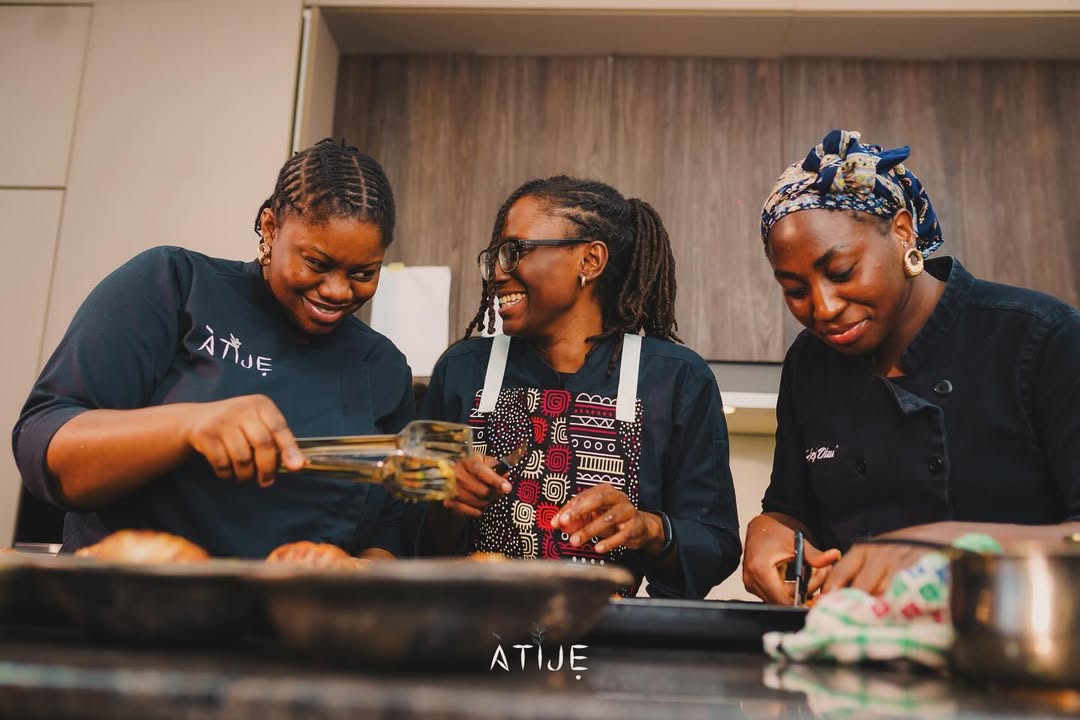
When Moyosoreoluwa Odunfa joined the 2023 cohort of the Leading African Women in Food Fellowship (LAWFF), she was already telling powerful stories through food. Through the Àtijẹ Experience, she curated intimate dining experiences using indigenous Nigerian ingredients, creating spaces where culture, cuisine, and community met.
What she was looking for was not passion or purpose. It was structure, strategic mentorship, and access to the right networks to scale her vision sustainably.
“I knew I had a great idea. I had been faithful in my little, but I wanted to go further in showcasing Nigerian cuisine globally, supporting more farmers, and training more hospitality professionals.”
LAWFF became the turning point.
From Culinary Creative to Food Systems Leader
Through weekly leadership sessions, peer learning with high-achieving women across Africa, and structured mentorship, Moyosoreoluwa began to reposition her work, not just as hospitality, but as food systems leadership.
She gained:
-
The confidence to step into global policy and industry spaces
-
The language to articulate her mission at scale
-
A deeper understanding of how local ingredients connect to global food conversations
Her work moved from the table to the transformation of systems.
The Connection That Changed Everything
At the 2023 LAWFF close-out event in Tanzania, a single introduction reshaped her trajectory—a connection with the Chefs’ Manifesto network.
What began as a conversation became a long-term collaboration and an entry point into global platforms.
“Inspired by their work, I connected with the team, and since then I’ve worked with them at AGRF and other international conferences.”
From Local Pop-Ups to Global Platforms
Since completing the fellowship, Moyosoreoluwa has taken African indigenous ingredients to some of the world’s most influential food systems stages, including:
-
African Food System Forum (Kigali and Dakar)
-
Intra-African Trade Fair (IATF)
-
Stockholm Food Forum
-
FAO World Food Forum
On these platforms, she is championing Bambara nuts, baobab, honey beans, and other climate-smart local crops, positioning Nigerian cuisine within global conversations on sustainability, nutrition, and resilient food systems.
“These experiences have allowed me to highlight the beauty of local produce — from Bambara to baobab and honey beans.”
Visibility That Translates to Real Business Growth
The transformation has not only been symbolic, but also economic and structural.
Since LAWFF, she has gained:
-
Paid international engagements
-
Stronger supplier and farmer relationships
-
Increased referrals and strategic partnerships
-
Expanded creative direction for her brand
“LAWFF has amplified my voice, my business, and my confidence. The exposure has led to global events and new levels of remuneration.”
The Multiplier Effect: Lifting Other Women
Today, Moyosoreoluwa is not only curating dining experiences but also shaping narratives on local sourcing, seasonal cooking, African food heritage, and women’s leadership in hospitality. And she is intentionally opening doors for others.
“It has inspired me to keep lifting other women and encouraging them to join organisations and programs like AFC and LAWFF.”
Her journey reflects what happens when women are given the leadership tools, visibility, and networks to scale; they do not rise alone; they transform entire ecosystems.